Why turning up matters
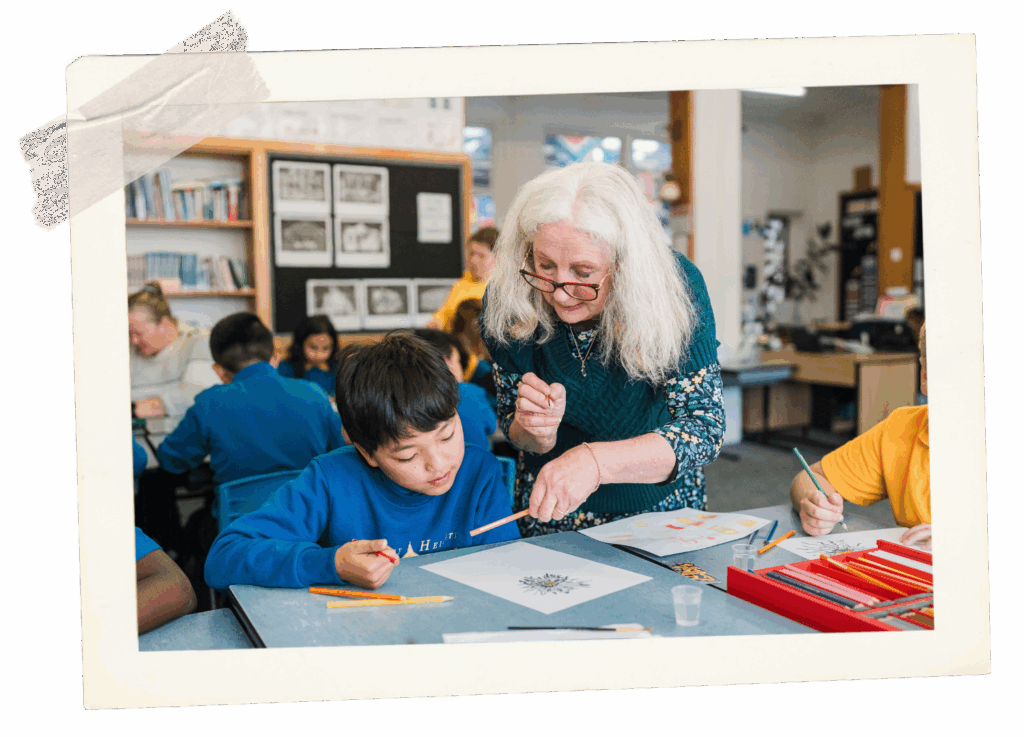
Regular attendance helps children and young people learn new things every day.

Need to know
- Regular attendance helps children and young people connect with friends and teachers.
- It helps them gain the skills and knowledge needed for success both now and later in life.
- Children start school when they are five and must stay in education or training until they finish year 12, receive a Certificate III or reach the age of 18.
- Every school day matters.
Every school day helps children and young people to gain the skills and knowledge needed for success both now and later in life.
Benefits of attending school every day
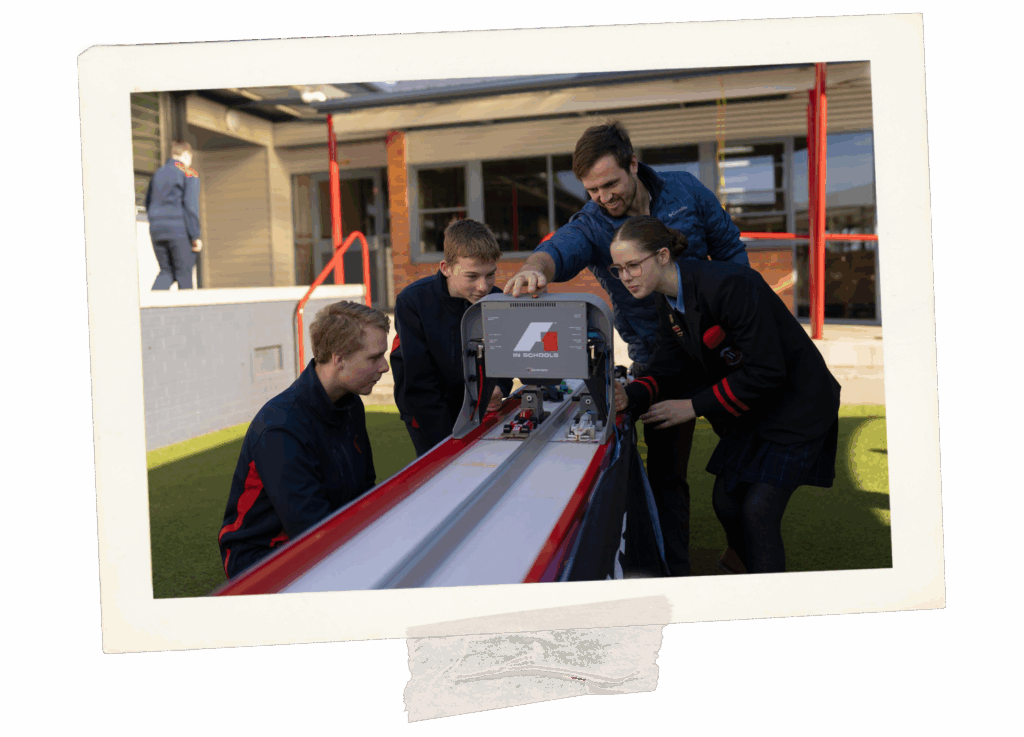
Regular attendance helps children and young people learn new things every day. It helps them connect with friends and teachers. They also have fun and develop good habits that help them to succeed after school.
Attending and participating in school will help your child or young person:
- Develop important skills and knowledge to help them learn and grow.
- Develop social and emotional skills such as good communication, resilience, team-work and other life skills.
- Establish friendships with peers which help develop self-esteem and a sense of belonging.
- Access academic and wellbeing support.
- Explore career and life options for bright futures.
Responsibilities and managing absences
Children start school the year they turn five. They must stay in education or training until they finish year 12, receive a Certificate III or reach the age of 18.
Student attendance at school is a legal obligation of parents and carers. But, supporting students to attend school each day is a shared responsibility.
Everyone has a role including parents, students, the school and wider community.
We know some students don’t attend school regularly for many different reasons.
Sometimes your child may need to miss school for reasons including:
- being unwell,
- cultural reasons, or
- a significant event which impacts on your child or young person’s ability to attend school.
These are known as Authorised Absences and you must let the school know.
You should avoid your child or young person missing school. For example, make appointments for your child or young person outside of school hours (where possible) and keep family holidays to school holiday periods.
Every school day matters.
Missing one day a fortnight can mean your child or young person misses up to a year and half of their education between kindergarten and year 12.